


Stories from Immigrant Journeys
Ana Claudia, Fernando, Gilberto, Jennifer, Mario, Panfilo, Cinthia, and Saul lived and worked in Wisconsin in 2018, when Wisconsin Humanities and Centro Hispano of Dane County came together to produce Immigrant Journeys from South of the Border ¡Mi travesía hasta Wisconsin!, a traveling and virtual exhibit that was borrowed by over 30 libraries and other nonprofits throughout Wisconsin. The stories of these eight people who immigrated here from homes in Colombia, Honduras, Mexico, and Uruguay were told to Bill Berry, a Wisconsin-based journalist. Pulitzer Prize winner Gary Porter photographed them.
While the presence in the United States of people who migrated from Mexico, Central and South America has been the focus of increased federal action, here in Wisconsin, many Wisconsinites have never met or talked with immigrants from these places. We believe that the personal stories presented in this exhibit can add to public understanding of the lives of people who have migrated and the history of immigration.
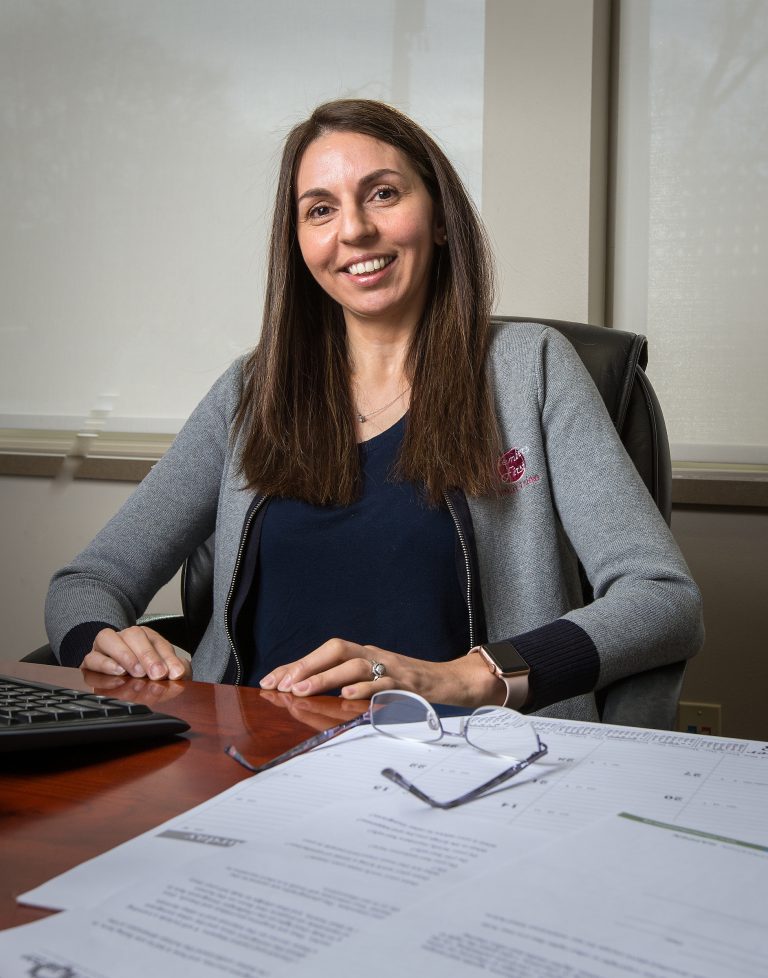
Ana Claudia
In 2017, I took the “Caminos Program” at Centro Hispano. It opened a door for me and a couple months after my graduation, I started working at Members First Credit Union. I am now able to support the Latino community working in a financial setting and to help them to achieve their goals, financially speaking. My manager Jenny supports me a lot. She is great! We are working on a project to teach the Latino community how to save money. Right now, I’m working to get my Associate’s in Accounting from Madison College Truax. I hope to set a good example for my daughters, and to continue my growth and education here.
Now I tell other immigrants if they want something, they should go for it and give it all to reach their goals. My father always said that to me, and I try to teach the same to my daughters. At this point in my life, I feel that I’m succeeding in my career, but I always want to continue growing and learning new skills. There is always room for learning something new!
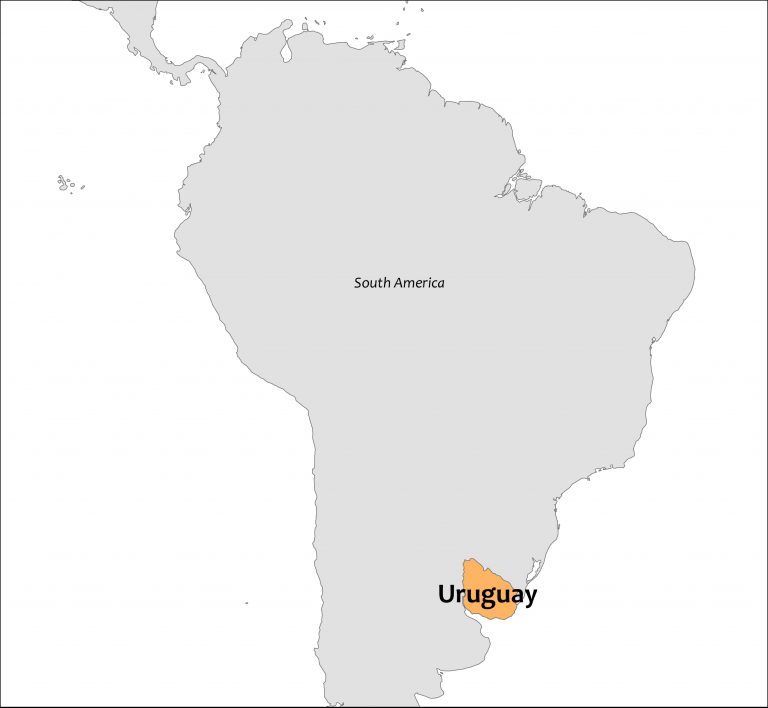
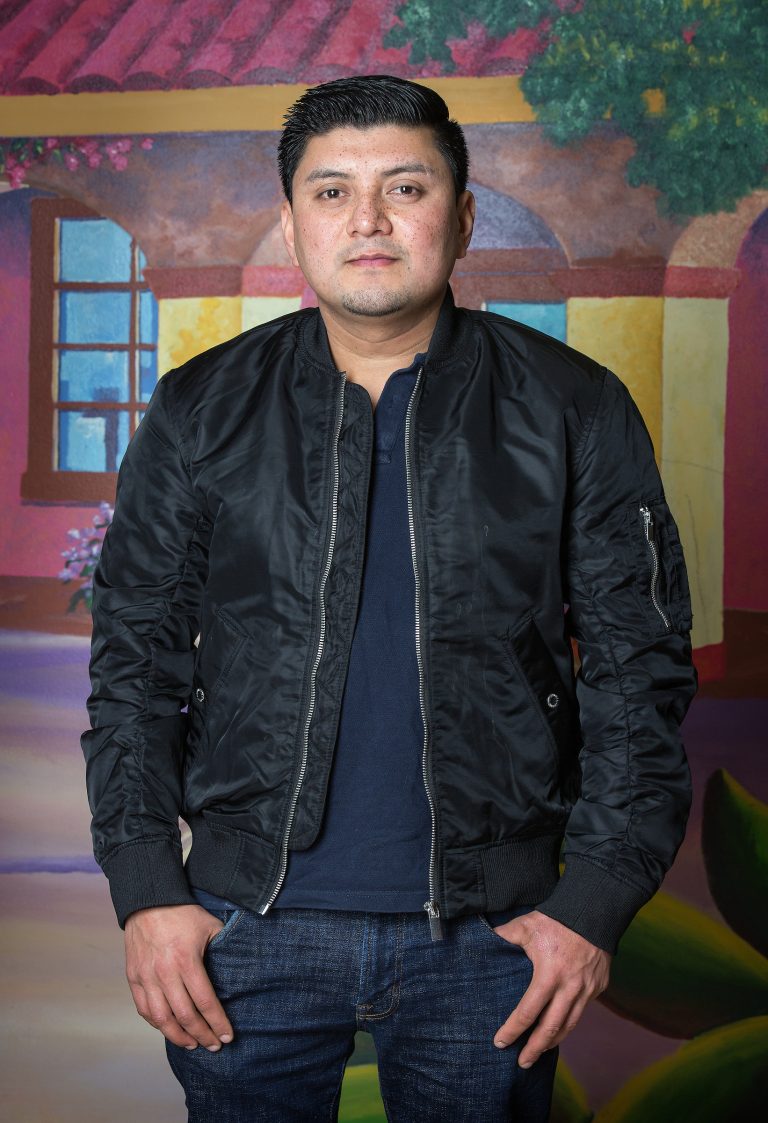
Mario
In 2017, I took the “Caminos Program” at Centro Hispano. It opened a door for me and a couple months after my graduation, I started working at Members First Credit Union. I am now able to support the Latino community working in a financial setting and to help them to achieve their goals, financially speaking. My manager Jenny supports me a lot. She is great! We are working on a project to teach the Latino community how to save money. Right now, I’m working to get my Associate’s in Accounting from Madison College Truax. I hope to set a good example for my daughters, and to continue my growth and education here.
Now I tell other immigrants if they want something, they should go for it and give it all to reach their goals. My father always said that to me, and I try to teach the same to my daughters. At this point in my life, I feel that I’m succeeding in my career, but I always want to continue growing and learning new skills. There is always room for learning something new!
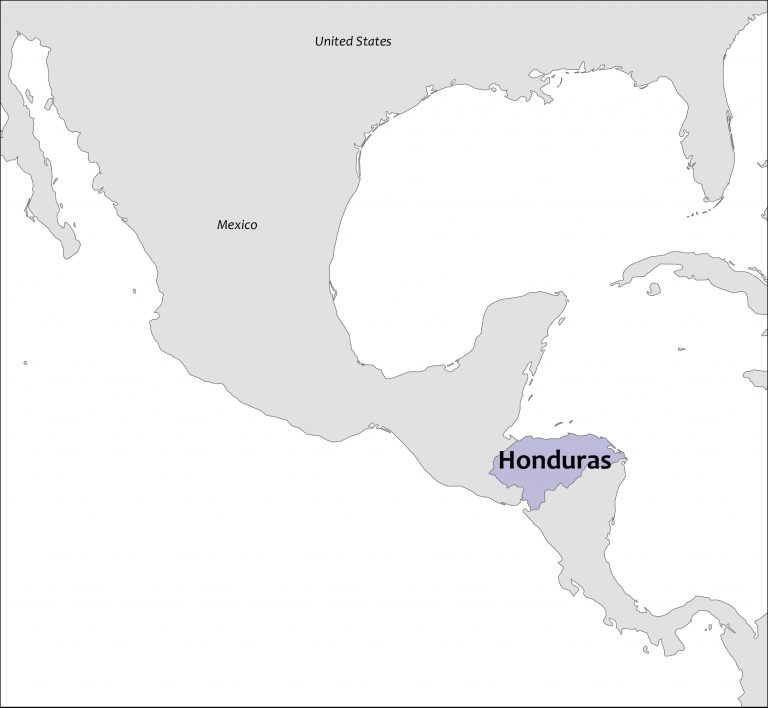
Saul
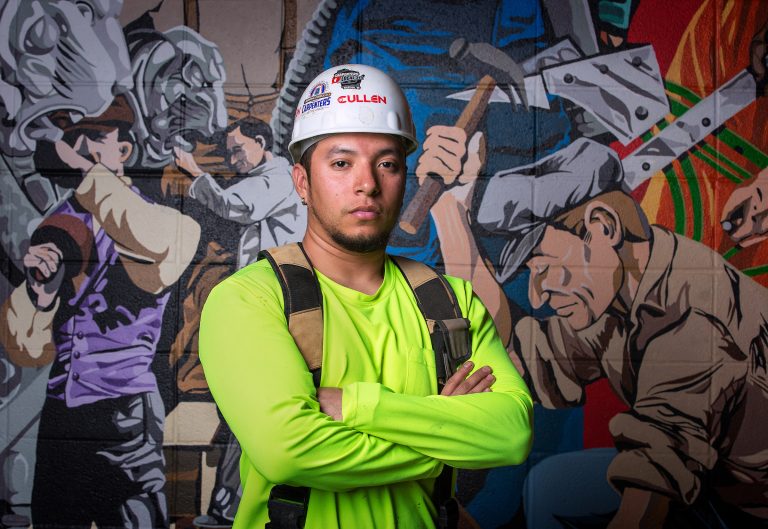
I came here when I was seven. My mom tells me I almost died crossing the border. We walked 11 hours in the night. It was really hot, and I haven’t had water. My mom tells me I went unconscious. A lady took me in her own vehicle to her house and into a shower to rinse me off. My mom told me in a couple more minutes, I would probably die.
We came [looking] for a better life, because we didn’t really have much there. My parents had to sell stuff on the street to buy us milk. We all became residents in six or seven months. I’m trying to become a citizen now.
I attended schools here. I am an apprentice carpenter with J.P. Cullen. It is a great company. I learned more in a few months than I learned in my whole life. My goal is to become a superintendent one day, and bring that out to the younger Latino guys, that you can do that.
My hope for my family is we become better than before. I work three jobs. I also work for a cleaning company and as a diesel mechanic.
I’m not the type who likes to fight or get in trouble. One time I was with my family, and some guys started yelling racist stuff. My brothers said, “Just let it go.” It is hard when it is your family.
Jennifer
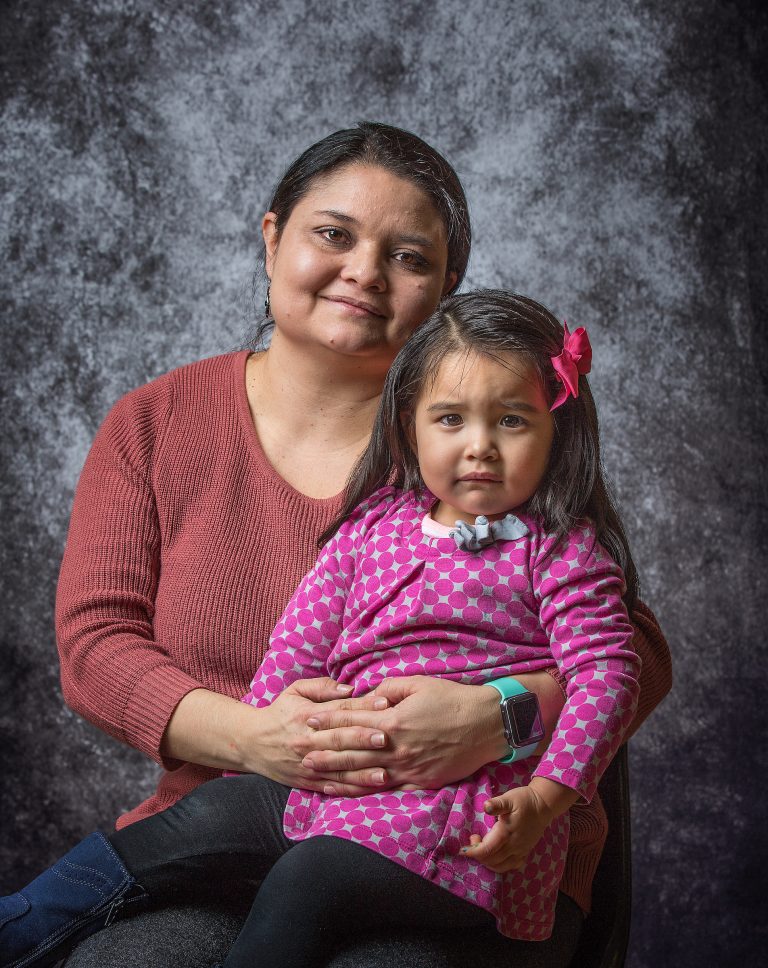
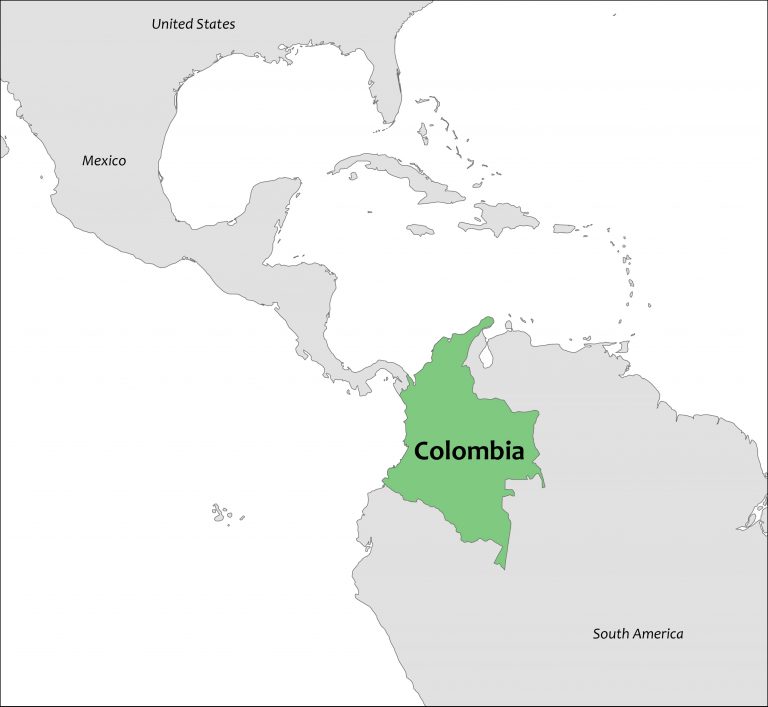
I came here because I wanted a better future, because of all the bombs, the crimes, everything. I don’t want to go back to Colombia, I feel safe here about 70 percent.
I work as a promotora. We provide health services and also nutrition classes for the Latino community. Also, I am a doula, a person who goes with moms through pregnancy and provides support.
A bad experience with the Immigration Service office in Chicago was the worst day of my life. When I got my legal papers, I had to go back to Colombia and re-enter into the United States. The immigration officer told me, “What are you doing here? Why did you come here?” She said, oh my God, many bad words for me, and I want to cry. I was with my daughter, eight months old. The woman says, “Who’s going to pay for her food, insurance, everything?” She is waiting for me to say I don’t want to go to the United States.
I want a good life, to raise my children and help my Latino community women, empower them. I really love to help people. When I find a way to help people, I feel really good.
The people come here to work, to have a better life. The biggest fear for the Latino community is the immigration thing. You go to work, you come back to the house at night. That is it.
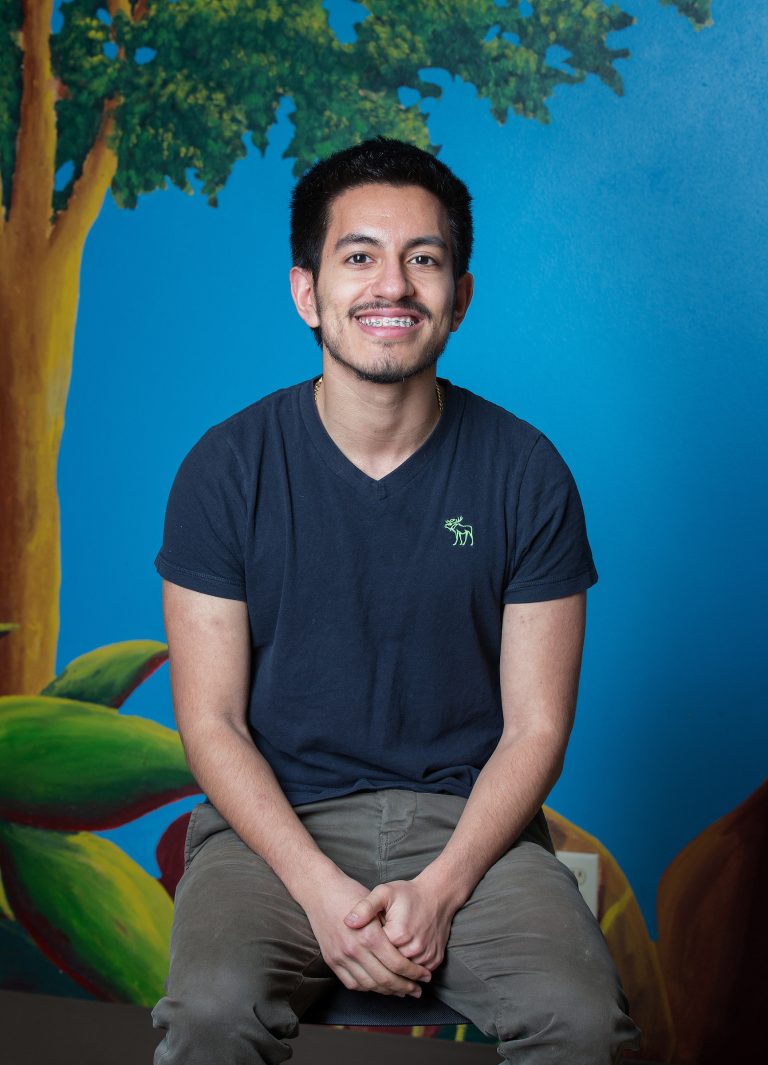
Gilberto
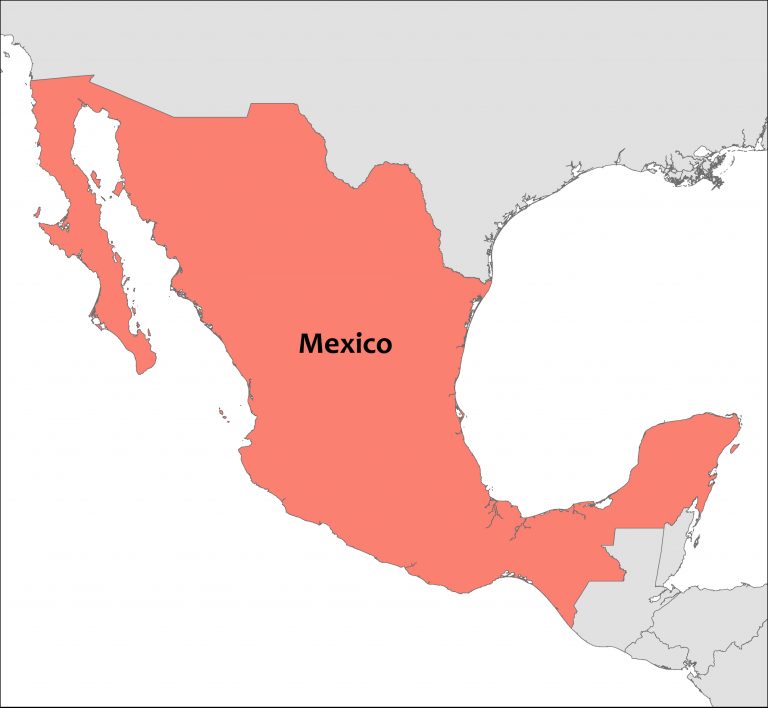
I am a Dreamer – my status right now is Deferred Action for Childhood Arrivals. I was very young when my family came from Mexico. DACA gives you temporary protection from deportation.
Now I am a full-time student at UW-Madison. On top of that, I work in the All of Us initiative at UW Medical School. I also work in a lab at school, and then I work at Centro Hispano in youth mentoring. A lot of people ask why I do that many jobs. I’m like, “Why do you think?” I can’t afford tuition on my own. I am not eligible for assistance. On top of that, in Wisconsin, people without legal residency pay out-of-state tuition. I realize I have to work 10 times harder to get to where I want to be. The only reason I am attending university is because of the Latino community. I received a scholarship from Centro Hispano, and I’ve won several other scholarships.
One day, I plan to go to medical school. I plan to bring that perspective of community support to public health care. Undocumented people struggle to have access to health care. They need help.
My dad was a dentist in Mexico. Now he works in the custodial department at UW-Madison. My mother worked in a bank. Now she has a hair salon in our home. I have three brothers. My dad always says they came here for us, and he’s not going back until we realize our dreams.
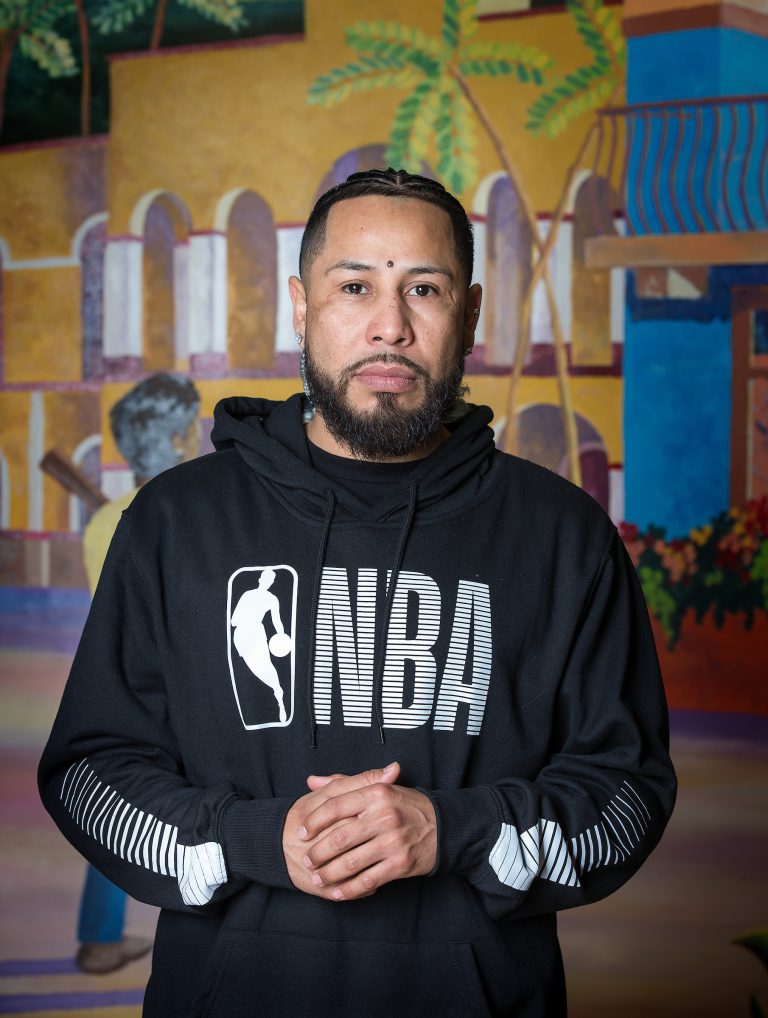
Fernando
The region I lived in, Juarez, was very poor. There is not a lot of work opportunity there. And there was a lot of violence. They had drug cartels that would fight all the time. My parents weren’t comfortable being there anymore.
My parents traveled here first, and then me and my two sisters. We traveled here on a bus. I was 17. My parents had a few friends in Madison, and they told my parents this is a good place to come.
Then they signed me up in West High School. Everything was new to me, and everything got complicated. They saw me as a new person who didn’t speak English, and there was a lot of bullying. And because where I am from there is a lot of violence, I wanted to fight back. Now I know better.
There was a point I felt like I wanted to go back. I didn’t see any hope in high school. Now I am focusing on work and family. I have worked in cleaning, on farms, in factories and in construction. Now I work at the cheese factory in Blue Mounds. They treat me very nicely, and they recognize the work I do.
I feel safe now. The most important people in my life are my daughter, my wife, my sisters, my parents. I would tell other immigrants to focus on work and family. And to work really, really hard not to get in trouble.
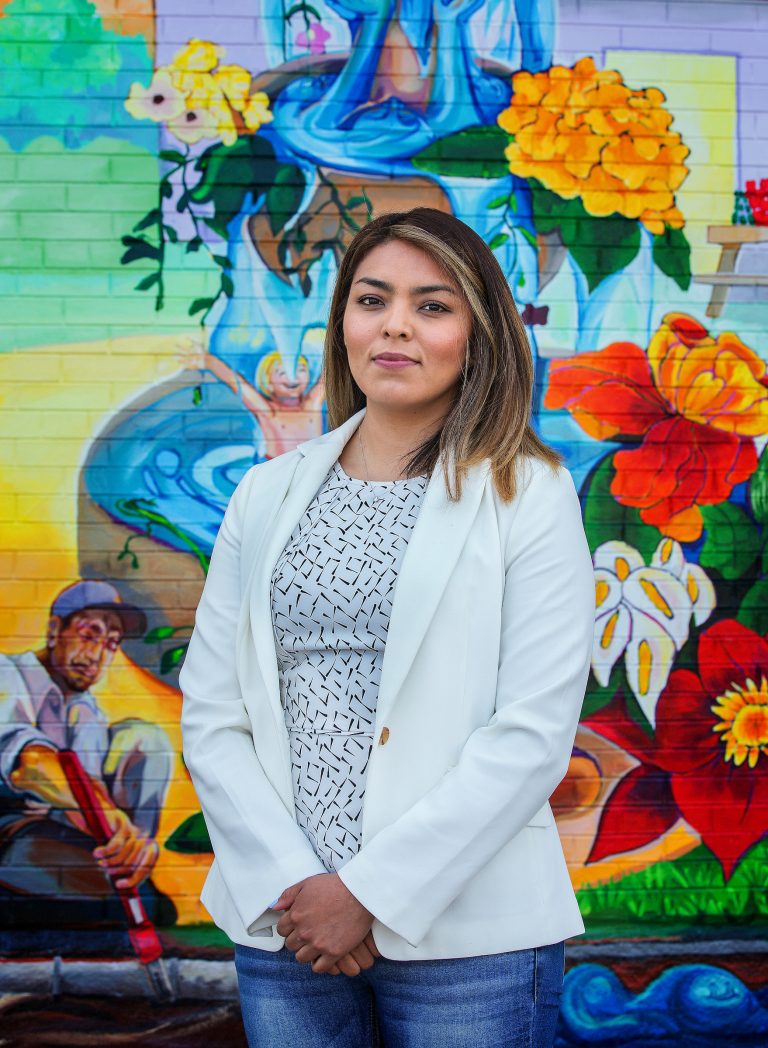
Cinthia
I am a healthy schools program coordinator at the Sixteenth Street Community Health Center in Milwaukee. Here, my supervisor and mentor is Tatiana Maida, and I am supporting Latino families in modifying their eating and exercise to make healthy choices. Today, and since high school, I have thrived thanks to the mentorship I received, beginning with my mom.
I graduated from high school in Janesville, where the dropout rate was high for minority students. My mentor in high school was Jose Carrillo, who worked for the school district and was on the board of UMOS, helping improve the lives of migrant farmworkers. He pushed us to take harder courses that would count for college credit.
In 2013, I moved to Milwaukee to pursue a degree in biology at UW-Milwaukee. Halfway through I had to drop out because I couldn’t afford school. Still, I was determined to be involved at UWM. My search led to Raoul Deal’s mural project. Raoul took me under his wing. He allowed me to do research and mentor youth working on a mural to honor UMOS.
This support allowed me to return to school, and I stuck to my plan to graduate. I had the opportunity to join another research project, with public health professor Dr. Jenna Lloyd, interviewing social service agencies that work with immigrants and refugees.
Thanks to all the support from my mentors, I learned how to be one, and I’m using this skill to support health initiatives in our Milwaukee communities.
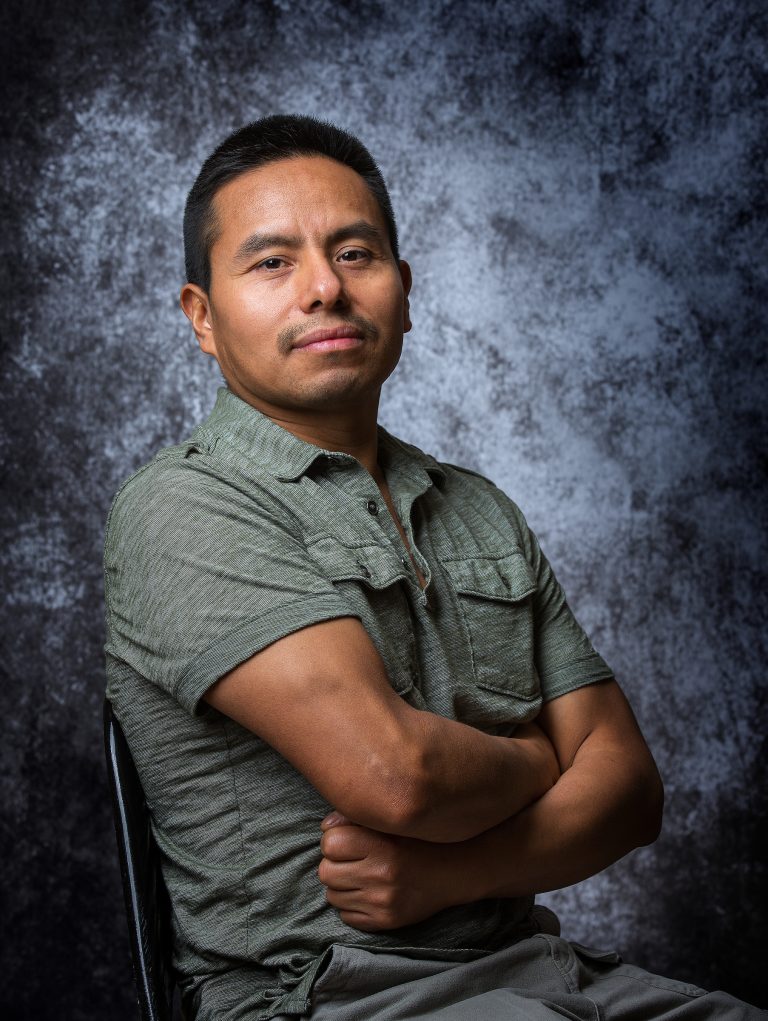
Panfilo
I am an organic farmer, and I work in a restaurant. In Puebla, my home, I was a peon. I worked for other people. And when I moved to Tijuana, it was expensive. I came here 17 years ago. My friend came here one year before. He helped me move over here. Here I can have a house.
I produce organic vegetables and different produce. I rent land at the Farley Center in Verona. I have other land for growing berries. In May or April, I move to the farm. There are five farmers markets a week. We set up very early, because all the markets are in the morning. You have to be OK with the sun at all times, because the sun means money.
My passion is to farm, but I wanted to try something new, so I tried Mexican ice cream. It is sort of like sorbet or a smoothie, but it’s fruit. I am thinking how I could sell at the farmers’ market on the Square.
I don’t have any problems with anybody. When I am working, I find people working together, Mexican or American people. I work with both very well. I appreciate all the help here. I take care of my friendships, my health, so I am good. I want to stay here and see what happens.


