Dear Wisconsin Humanities Friends and Supporters,
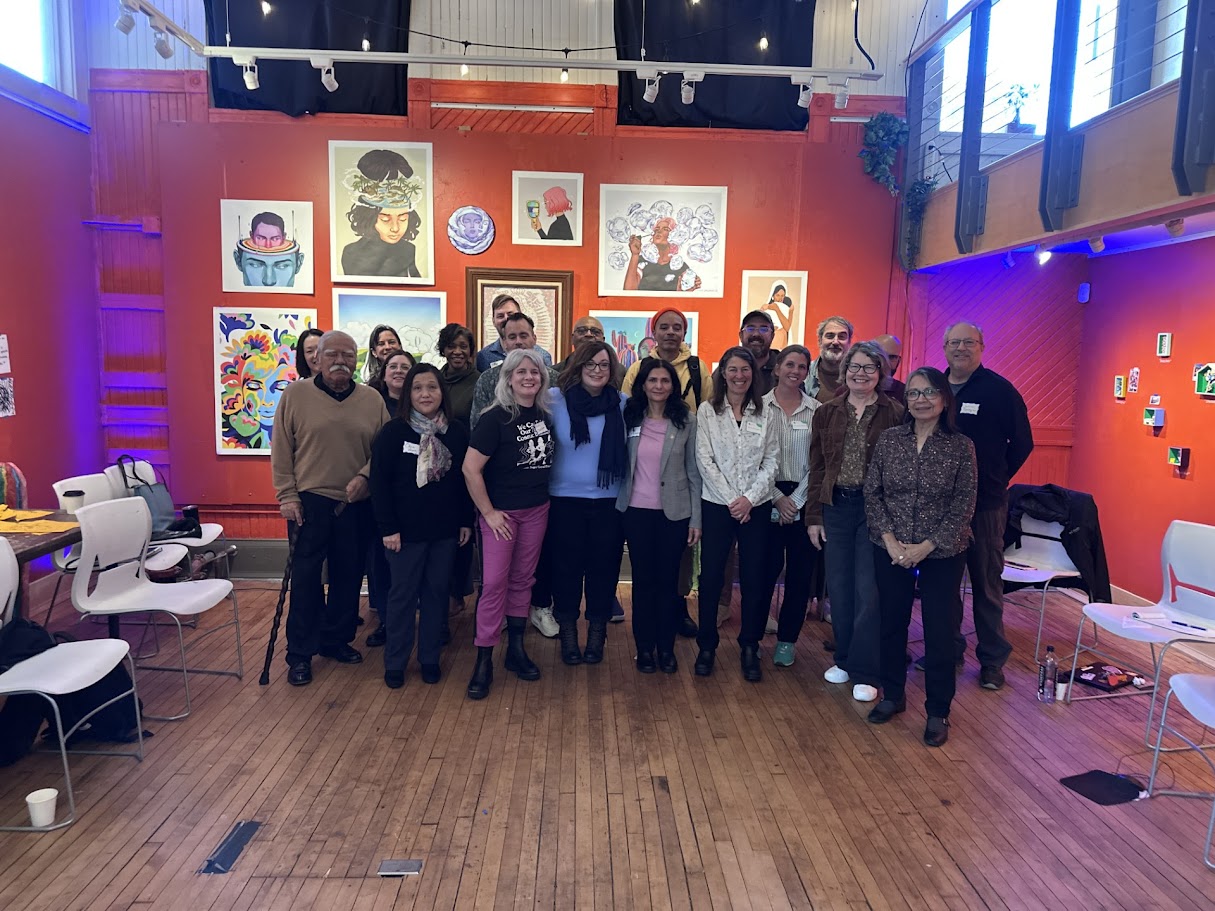
I don't have enough space here to tell you all the incredible things I've heard in the last couple of weeks. Our first three in-person Listening Sessions were everything we hoped they would be -- and were possible thanks to your contributions!
Commitment and care for community were on full display in northern Wisconsin when we sat down with librarians, local historians, artists and others in Spooner and Superior. Then we headed south to Milwaukee where grassroots leaders in the arts and humanities, and public humanities scholars, came together for a passionate and deeply informed conversation. We talked about Milwaukee's strengths and how we all can nurture what someone called the city's "pollinators" -- especially the young, creative people who are doing so much to make life better for everyone in the city.
One common thread struck us. In Superior, someone described it as people's willingness "to take swings" and be nimble in coming up with new public projects, like a mural depicting local history. In Milwaukee we heard the same message -- that one of the city's special strengths is that Milwaukeeans are always coming up with new events and projects for their neighborhoods, or the city as a whole, supported by an unusually large number of nonprofits. (Today, Milwaukeeans are also protecting what an older generation created. When so many events around the country were cancelled this year, we were lucky that the state's largest and oldest Mexican-American community felt able to stage Fiesta Mexicana.) In the sparsely populated region around Spooner, local creativity can mean reaching out to new residents or other organizations for new strategies, like how to find more volunteers.
Our first Listening Session takeaway: Wisconsinites' creativity, practicality, and community vision are a deep well we can continue to draw on today -- a well that our statewide partners are asking WH to help them replenish. Listening Session gatherings are one way we are doing that! We also heard that this well, to keep from drying up, needs financial support.
Stay tuned for more takeaways from upcoming Listening Sessions in Green Bay and Eau Claire, and a virtual session with rural librarians! If you want to know more about what we learn, let me know. We are working on summaries that we will be able to share.
Dena
|